How to tell the front and back of tights in 10 seconds
Label, gusset, heel and seams: the signs that tell you straight away which is the front and which is the back of a pair of tights, even when they look the same.
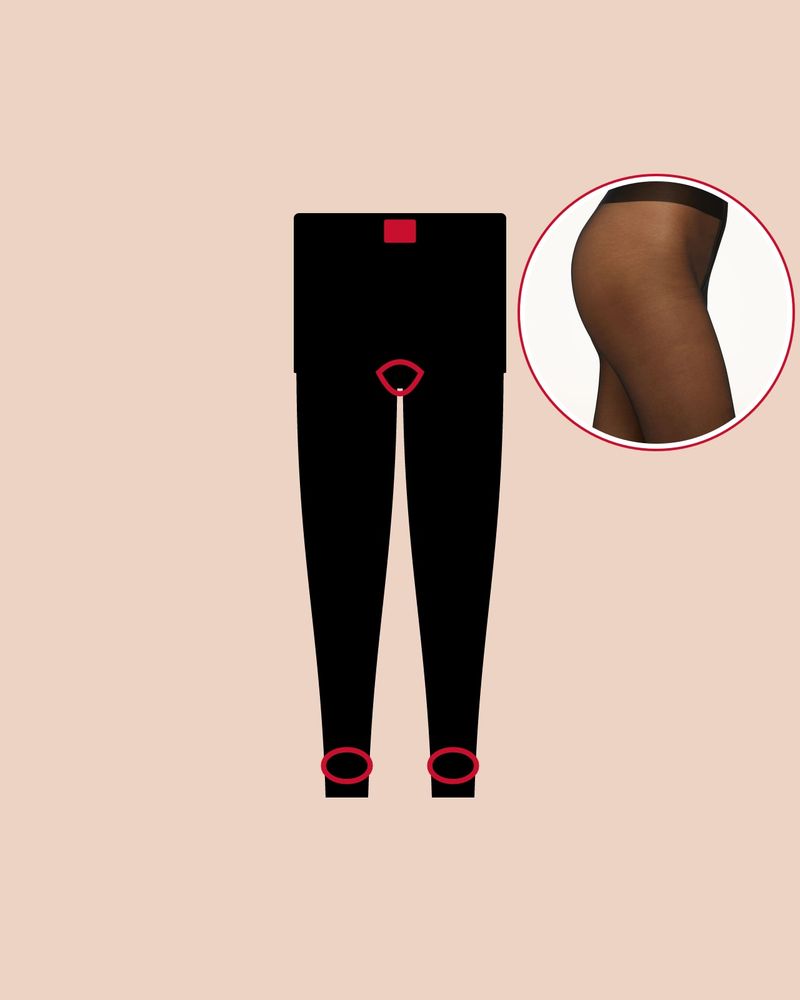
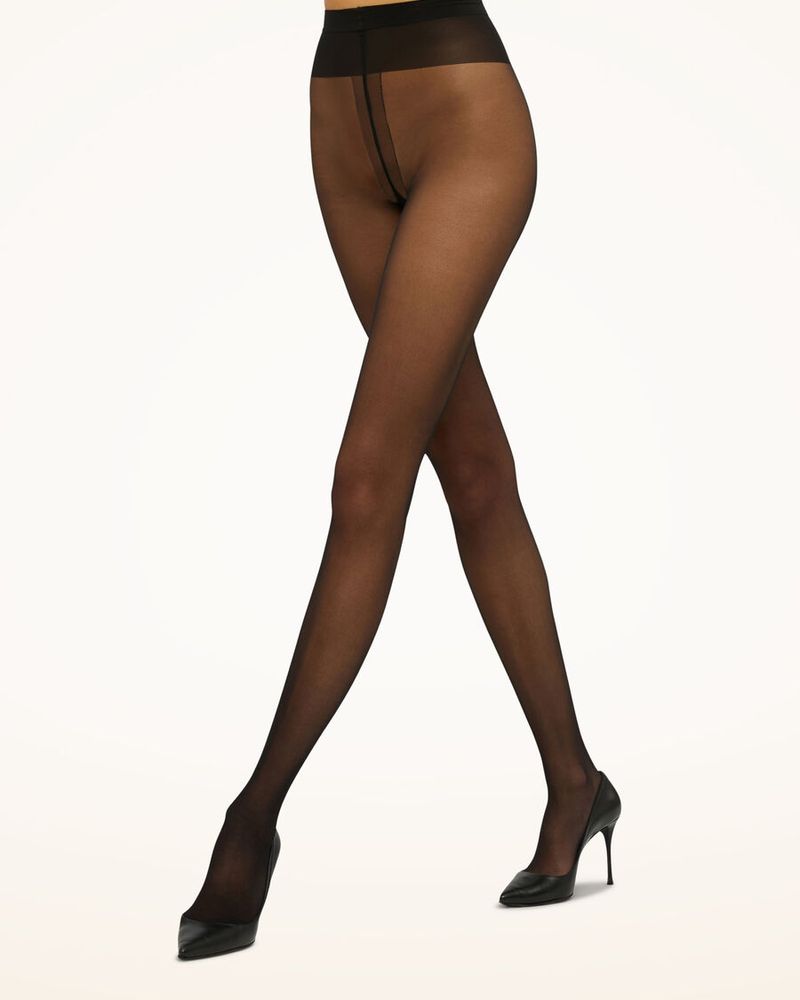
The short answer: the inside label is usually at the back, a shaped gusset is wider at the back, a knitted heel goes under your heel and the toe seam sits over your toes. If your tights have none of these signs, they are most likely symmetrical and can be worn either way. Here is how to check in a few seconds, starting from the waistband.
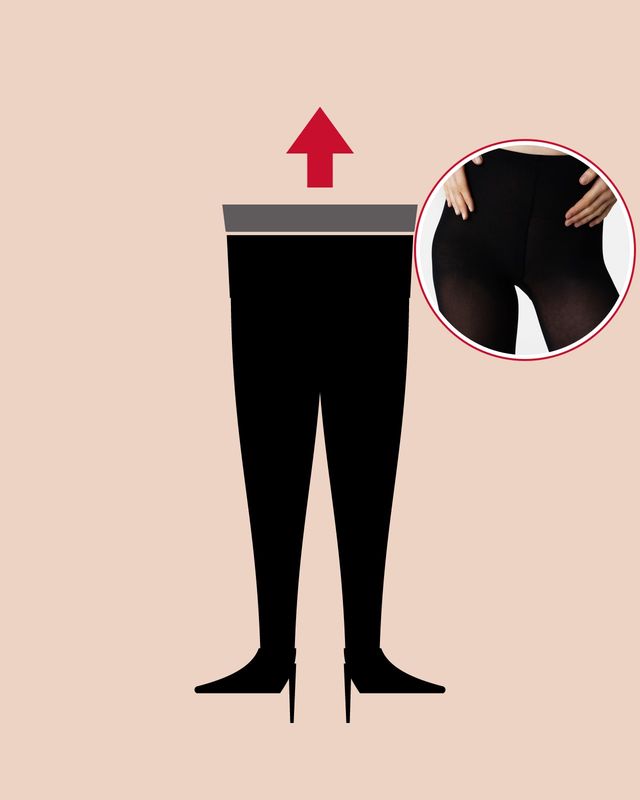
1. The waistband and the label
The first place to look is inside the waistband. When there is a sewn or printed label, on the vast majority of styles it sits at the back, in the centre. Some brands print the logo or size on the outside of the waistband, again at the back. If the waistband is higher on one side, that side is the back: it follows the curve of your lower back.
2. The gusset
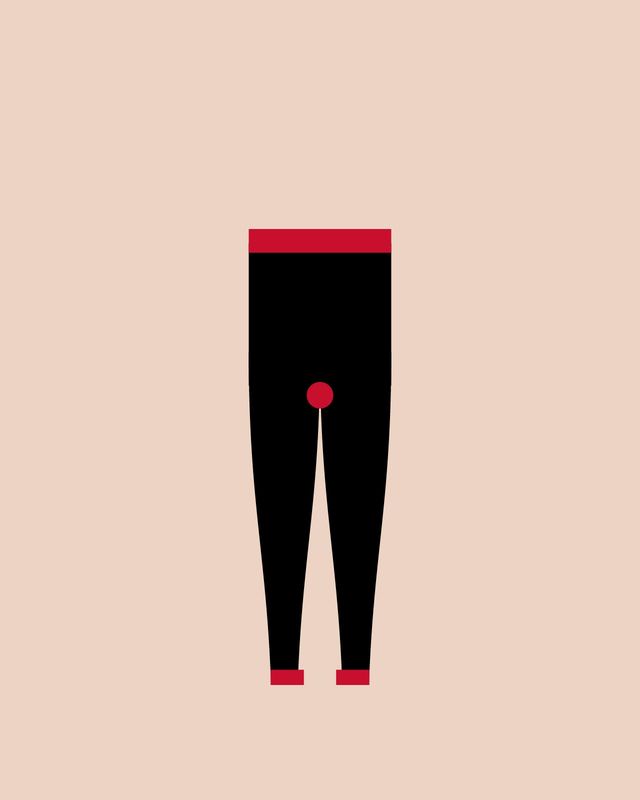
The gusset is the panel sewn where the legs meet. On tights with a shaped gusset, teardrop or long diamond, the wider end goes at the back. On tights with no gusset or a flat, symmetrical one, this sign doesn't help. For every part of a pair, see our anatomy of tights.
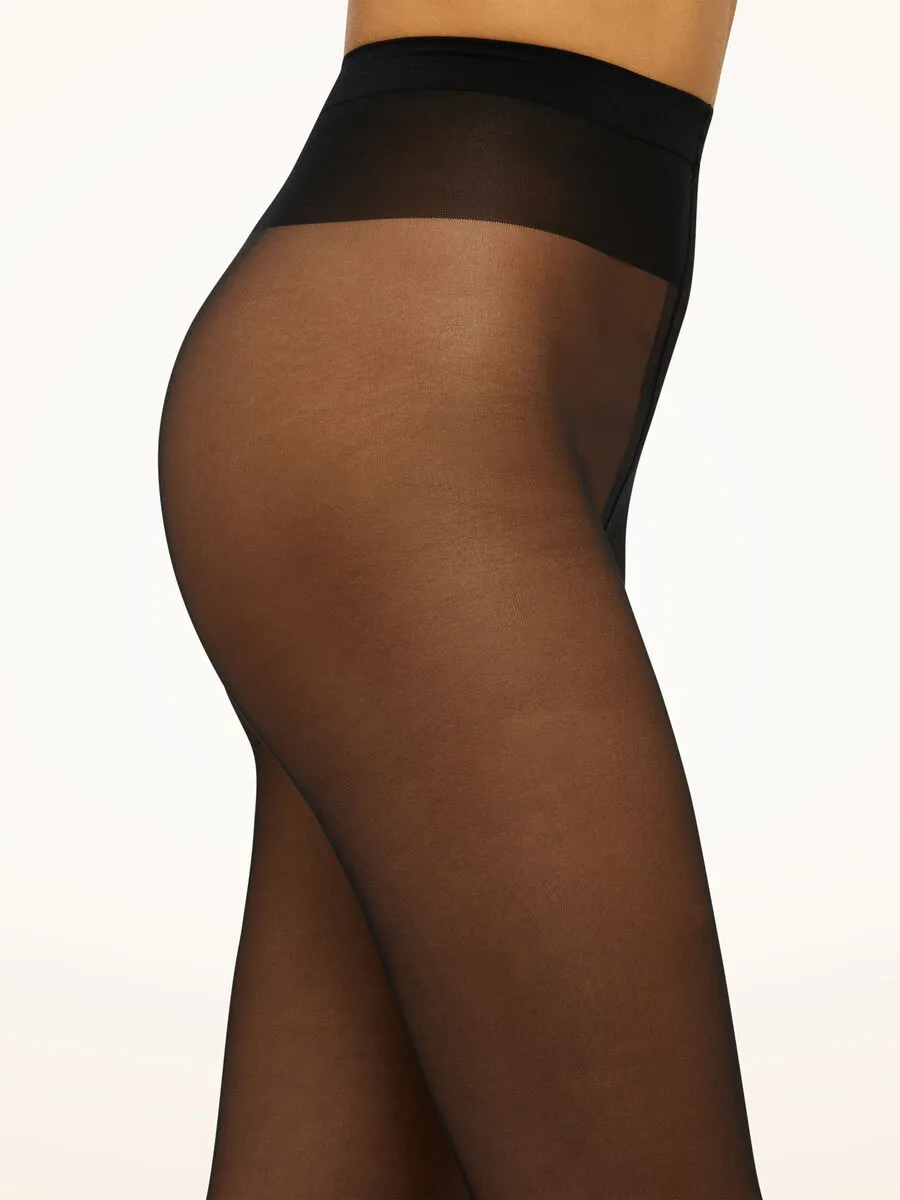
The waistband and reinforced panty: this is where you tell the way round. Photo: Wolford.
3. The panty
On styles with a control or reinforced top, the knit is often different front and back: higher and fuller at the back, sometimes with a flat panel at the front for the tummy. Worn the right way round it doesn't dig in or slip down.
4. The heel and the toe
A reinforced or knitted heel is a small pocket of denser knit: it should sit under your heel. If the tights have one, turning them the wrong way is obvious: the pocket ends up on top of your foot. The toe seam, on the other hand, goes over the toes, not underneath.
Chart: where to look
| Sign | Where | What it tells you |
|---|---|---|
| Inside label | Waistband | Usually the back |
| Printed logo or size | Waistband, outside | Usually back centre |
| Shaped gusset | Crotch | Wider end goes at the back |
| Reinforced panty | Hips and seat | Fuller at the back |
| Knitted heel | Foot | Goes under your heel |
| Toe seam | Foot | Goes over the toes |
If there's no sign at all
Many inexpensive sheer tights are tubular: both legs are identical and the gusset is flat. In that case there is no wrong way round. Put them on, ease the knit up from the ankle and just check that any side seams run straight. To make them last longer, read how to stop tights from laddering.
Why it matters
Wearing tights backwards isn't a disaster, but you feel it: the crotch drops, the waistband pulls at your tummy, the heel wrinkles on top of your foot. They also last less, because the knit stretches in the wrong places. With control-top styles and the right size, the difference is even clearer.
For every term (gusset, panty, reinforced toe, sandal toe) see our tights glossary, and for everything else the complete guide to tights.
Frequently asked questions
How do you tell the front and back of tights?
Check the waistband first: the inside label, when there is one, is usually at the back. Then the gusset, which on shaped styles is wider at the back, and the heel, if it is reinforced or knitted, which should sit under your heel. The toe seam goes over the toes.
What happens if you wear tights backwards?
The gusset and panty don't sit right: the crotch drops, the waistband pulls at the front and a shaped heel ends up on top of the foot, where it wrinkles. They also wear out faster, because the tension builds up in the wrong places.
Do tights without a label have a front and back?
Many tubular tights are symmetrical and can be worn either way round. If the tights have a shaped gusset, a control top or a knitted heel, the direction matters: follow those details.
Which way should the toe seam go?
Over the toes, lined up with the tips of your toes: that way it doesn't press under your nails and doesn't show in open shoes with a sandal toe.